
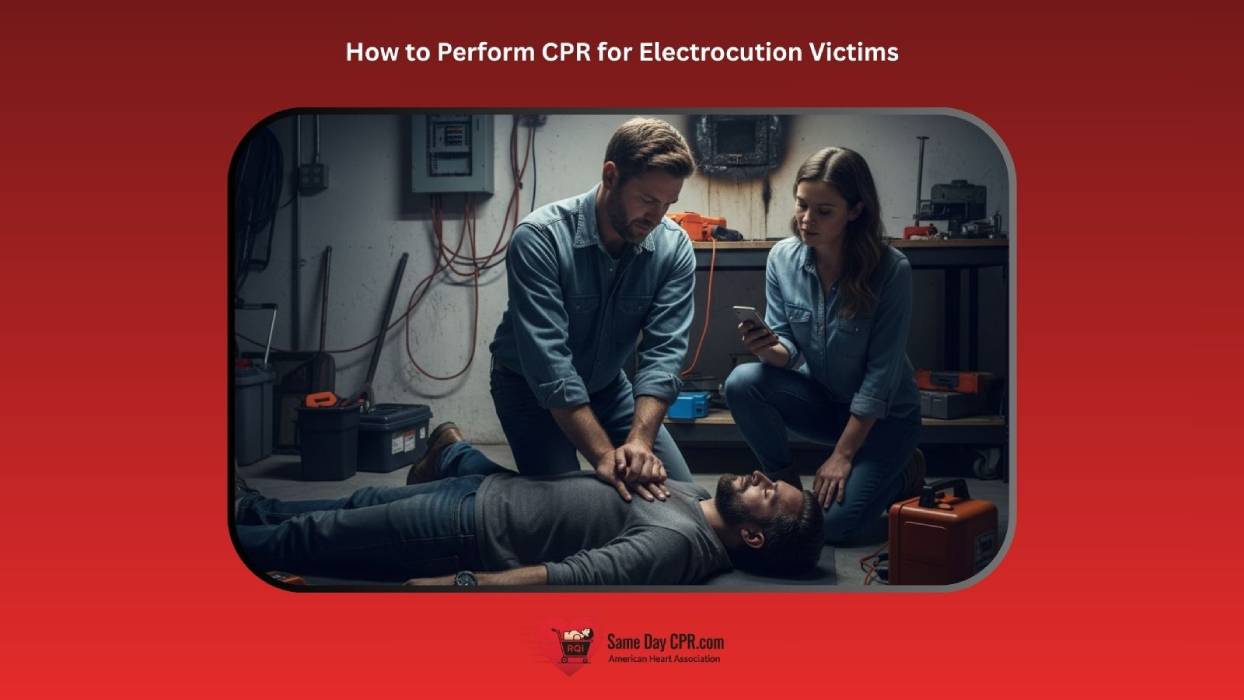
CPR may help save the life of an electrocution victim who becomes unresponsive and is not breathing normally. However, you must make sure the electrical hazard is no longer active before you approach or touch the person. Electrical injuries can cause cardiac arrest, abnormal heart rhythms, breathing problems, burns, loss of consciousness, and internal injuries.
Before touching the victim or starting CPR, turn off or disconnect the electrical source if it can be done safely. Never touch a person who is still in contact with a live electrical source, because the electrical current may pass through the victim and injure the rescuer. Once the electrical hazard has been eliminated, check whether the person responds and whether they are breathing normally. Call emergency medical services and begin CPR if the person is unresponsive and not breathing normally. Continue providing CPR until the person shows signs of life, trained help takes over, or you are unable to continue.
Knowing how to respond safely and quickly can help protect the rescuer while providing potentially lifesaving assistance to someone who has suffered an electrical injury.
What Is the Difference Between Electric Shock and Electrocution
People often mix up electric shock and electrocution, but they’re not the same. Here’s a quick look at how they differ and what each one really means.
- Electric Shock: This happens when electricity passes through the body, causing pain, burns, or muscle spasms, but the person survives.
- Electrocution: This is a severe electric injury that leads to death due to the current’s impact on the heart or vital organs.
Causes and Effects of Electrocution
Electrocution occurs when a person comes into contact with a strong electrical current that passes through the body. The severity of injury depends on factors like voltage, current type AC (alternating current) or DC (direct current), duration of contact, and the current’s path through the body.
Common Causes of Electrocution
- Faulty Electrical Wiring or Damaged Cords: Exposed wires or poor insulation can cause accidental or sudden shocks.
- Contact with Power Lines: A major cause of fatal electrocutions, especially for construction or utility workers.
- Household Accidents: Using electrical devices near water or wet surfaces increases risk.
- Lightning Strikes: A natural but powerful source of electrical current.
- Industrial or Workplace Incidents: Occur when equipment isn’t properly grounded or electrical safety measures are ignored.
Effects on the Human Body
- Cardiac Arrest or Arrhythmia: Electric current can disrupt the heart’s rhythm, leading to sudden cardiac arrest.
- Respiratory Failure: The shock can paralyze the muscles that control breathing.
- Severe Burns: Entry and exit wounds or deep tissue burns are common at the contact points.
- Nerve and Muscle Damage: Electricity can cause muscle spasms, numbness, or long-term nerve injury.
- Organ Damage: Internal organs may suffer damage from heat and current flow.
- Loss of Consciousness: The brain’s electrical activity can be disrupted, leading to confusion, seizures, or fainting.
Step-by-step CPR Guide: Electrocution Victims
When someone is electrocuted, quick and careful action can save their life. CPR for unconscious electrocution victims should only begin after the electrical hazard has been eliminated and the scene is safe. Stay calm, assess the victim, call emergency medical services, and follow these steps.
Step 1: Assess the Situation
If someone gets electrocuted, the first thing you need to do is make sure the area is safe. An electrical hazard requires the power source to be disconnected before touching or approaching the victim. If available and appropriate for the situation, use personal protective equipment (PPE) to help protect yourself from electrical hazards and other potential dangers. Never touch the person while they are still in contact with electricity. Turn off the power if you can do so safely, or have the electrical source disconnected by someone qualified to do so.
Step 2: Check for Responsiveness, Breathing, and Pulse
After making sure the scene is safe, check if the person is responsive. Gently tap their shoulder and call out to see if they react. Look at their chest to see if it is rising and falling, which shows breathing. At the same time, feel for a pulse at their neck or wrist. This quick check helps you understand how serious the situation is and decide what kind of help they need right away.
Step 3: Call EMS (Emergency Medical Services)
If the person is unresponsive or not breathing normally, call emergency medical services (EMS) immediately. Give them clear information about what happened, your exact location, and the victim’s condition. Stay on the line and follow any instructions they give while you prepare to start CPR or provide other first aid. Getting professional help quickly can make a huge difference.
Step 4: Perform Chest Compressions
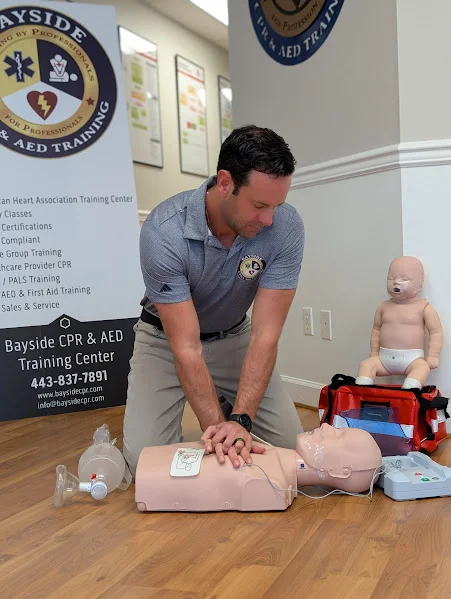
If the victim is not breathing or has no pulse, start chest compressions right away. Place the heel of one hand in the center of their chest and put your other hand on top, interlocking your fingers. Keep your arms straight and shoulders directly over your hands. Push hard and fast, about 2 inches deep, at a rate of 100 to 120 compressions per minute. Let the chest fully rise between pushes. To make your efforts even more effective, you can learn how to achieve a high chest compression fraction, which helps keep blood flowing consistently.
Step 5: Give Rescue Breaths
After every 30 chest compressions, give rescue breaths if you are trained to do so. Tilt the victim’s head back slightly and lift their chin to open the airway. Pinch their nose shut, cover their mouth with yours, and give two slow breaths, each lasting about one second, watching for the chest to rise. If the chest does not rise, reposition the head and try again. Then immediately return to chest compressions and keep repeating the cycle until help arrives or the person starts breathing on their own.
Step 6: Use an AED (automated external defibrillator)
As soon as you have access to an AED automated external defibrillator) is available, turn it on and follow the voice prompts. Expose the victim’s chest and attach the pads as shown on the device. Ensure no one is touching the person while the AED analyzes their heart rhythm. If the AED advises a shock, press the button when prompted, then immediately resume CPR with chest compressions. Continue following the AED’s instructions until emergency responders arrive or the person starts breathing and moving normally.
Step 7: Continue Performing CPR and Assessing the Victim
Keep performing CPR without long pauses, alternating between chest compressions and rescue breaths. Every few minutes, quickly check if the victim has started breathing or has a pulse, but do not stop for more than a few seconds. Stay focused, stay calm, and keep going until professional help arrives or the person shows signs of life. Consistent effort can make a big difference in their chances of survival.
Post-Resuscitation Care for Electrocution Victims
After administering CPR to an electrocution victim, seek urgent medical evaluation, provide appropriate post-resuscitation care and hospital-based management. Knowing the right steps helps keep them safe and supported.
Immediate Post-Resuscitation Care
- Maintain Vital Stability: Ensure blood pressure and oxygen saturation remain within safe ranges.
- Regulate Fluids and Electrolytes: Provide IV fluids and correct any acid-base imbalances.
- Monitor and Treat Cardiac Problems: Keep a continuous watch on heart rhythms and manage arrhythmias promptly.
- Prevent Additional Complications: Apply a temperature-control blanket to safeguard brain function, particularly in comatose patients.
Medical Assessment and Monitoring
Imaging
- CT scan: Conduct a brain CT to identify possible stroke or cerebral swelling, and a CT of the abdomen and pelvis if doctors suspect an abdominal injury.
- Chest X-ray: Obtain a chest X-ray to evaluate for lung issues such as edema or pneumothorax.
- Echocardiography: Perform an echocardiogram to assess for cardiac ischemia or pulmonary embolism.
Neurological Assessment
- Electroencephalogram (EEG): Use continuous EEG monitoring to identify non-convulsive status epilepticus, a possible complication following cardiac arrest.
Continuing Monitoring
- Cardiac Monitoring: Continuously track heart rhythms to identify any abnormalities.
- Temperature Monitoring: Keep continuous observation of core body temperature.
Specific Interventions for Potential Complications
- Burns: Treat skin burns with standard burn care, including cleaning the area and applying non-stick dressings. Severe burns may require surgical skin grafting. Do not try to remove clothing stuck to the burn.
- Organ Damage: Offer supportive treatment for affected organs, including nutritional support and infection prevention.
- Brain Injury: Consider hyperbaric oxygen therapy to help with cerebral recovery.
Important Considerations
- Prolonged Resuscitation: Continue resuscitation efforts even when you cannot detect signs of life. Extended resuscitation and brain protection measures may be necessary for electrical injury victims.
- Surgical Interventions: Be aware that electrical injuries can cause unseen internal trauma that may require surgical intervention. Doctors should promptly consult surgical experts.
Saving Lives with CPR for Electrocution Victims
In summary, electrocution is sudden and frightening, but knowing how to respond can make a real difference. Acting quickly and safely, calling for help, and performing CPR with confidence can keep someone alive until medical professionals arrive. Every step, from checking responsiveness to using an AED, supports the heart and breathing when electricity has disrupted them. After resuscitation, careful monitoring and medical care are crucial to address hidden severe injuries and prevent complications. Staying calm, focused, and informed gives victims the best chance to recover and reminds us that preparedness truly saves lives.
Same Day CPR makes lifesaving training simple and accessible. Our American Heart Association courses, including BLS, ACLS, PALS, CPR, and First Aid, combine easy-to-follow online learning with a short hands-on skills session at one of our 100+ convenient locations. Complete your training and leave with your official AHA certification card the same day. Take control of emergencies, find a class near you, and be ready to save a life.