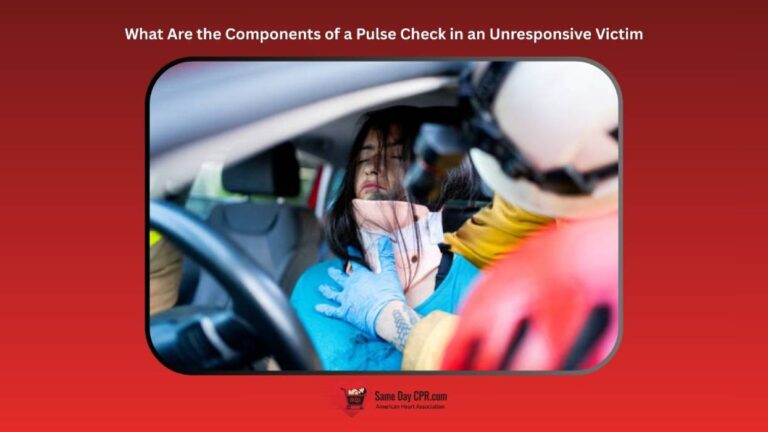
What Are the Components of a Pulse Check in an Unresponsive Victim?
The main components of a pulse check in an unresponsive victim are identifying the correct pulse point, checking for a
 30,000+ Students Sucessfully Trained Annually
30,000+ Students Sucessfully Trained Annually
30,000+ Students Sucessfully Trained Annually
The main components of a pulse check in an unresponsive victim are identifying the correct pulse point, checking for a
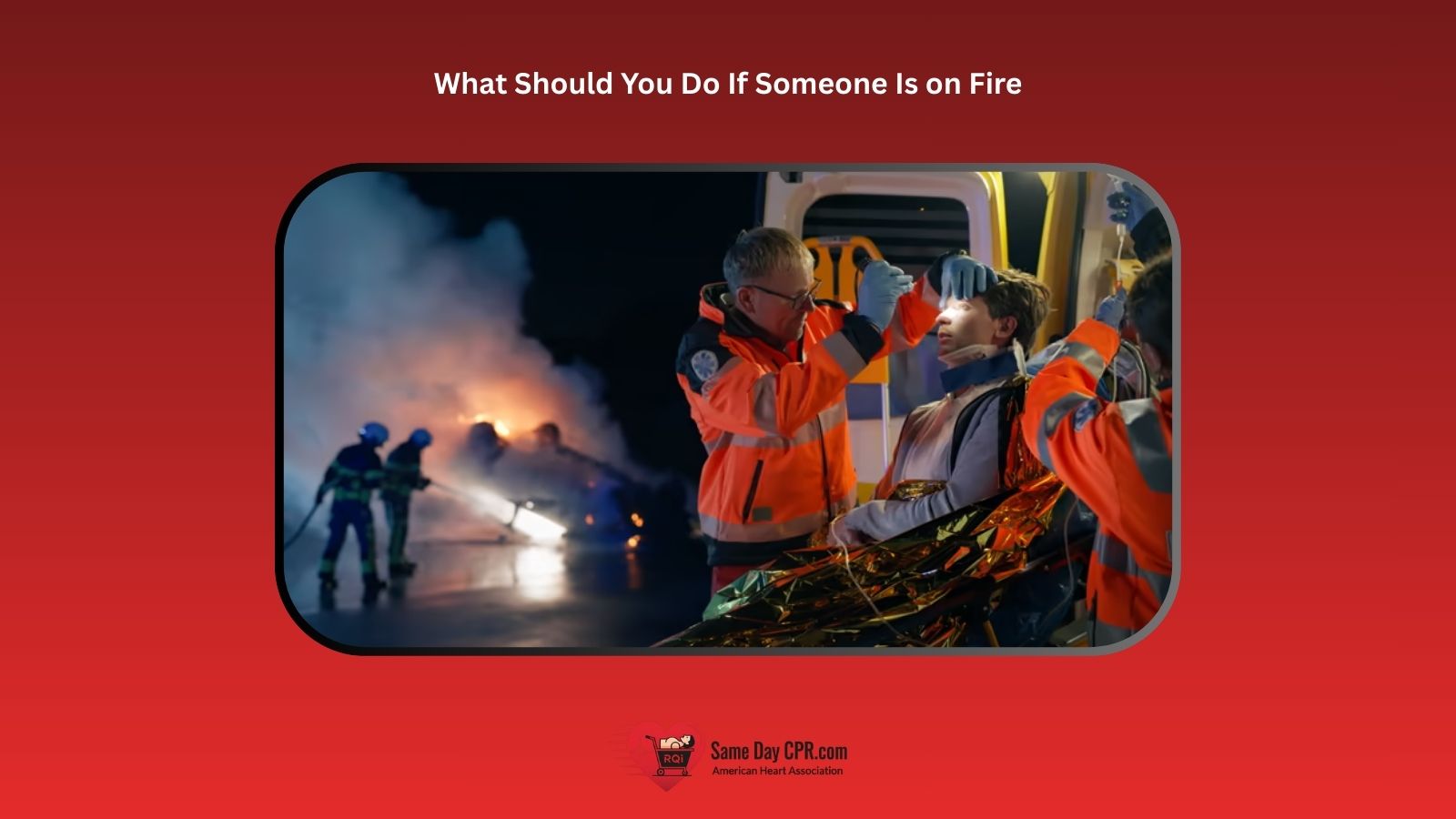
Imagine being in a situation where someone suddenly bursts into flames. It sounds terrifying, right? But knowing exactly what to
When a child suffers a sudden cardiac arrest outside of a hospital, every second matters. The pediatric out-of-hospital Chain of
For many years, heart disease was considered something that mostly affected older people. But today, doctors and hospitals are reporting
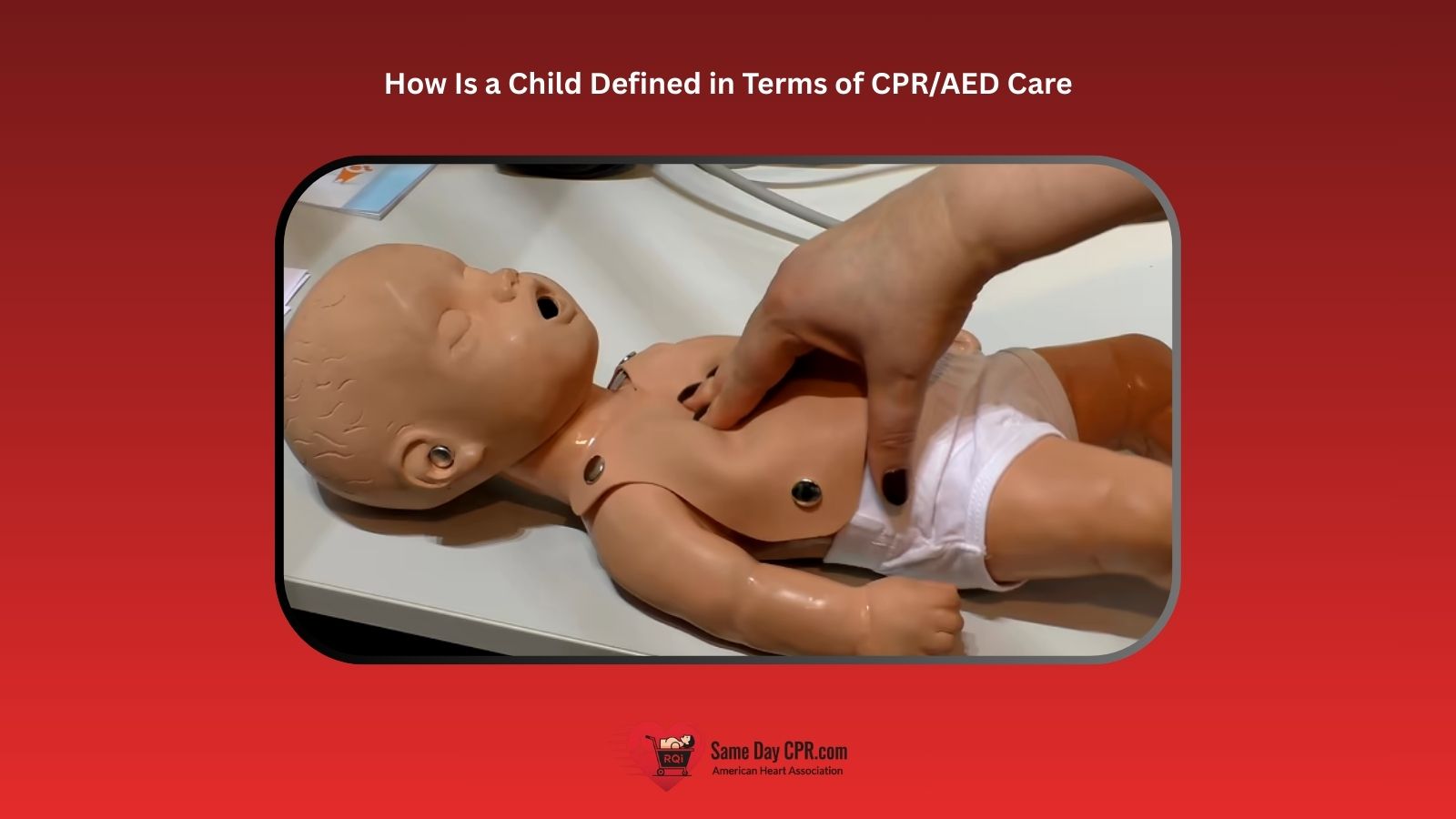
A patient’s age can greatly influence CPR and AED care, but it’s not the only factor. Children aren’t simply smaller
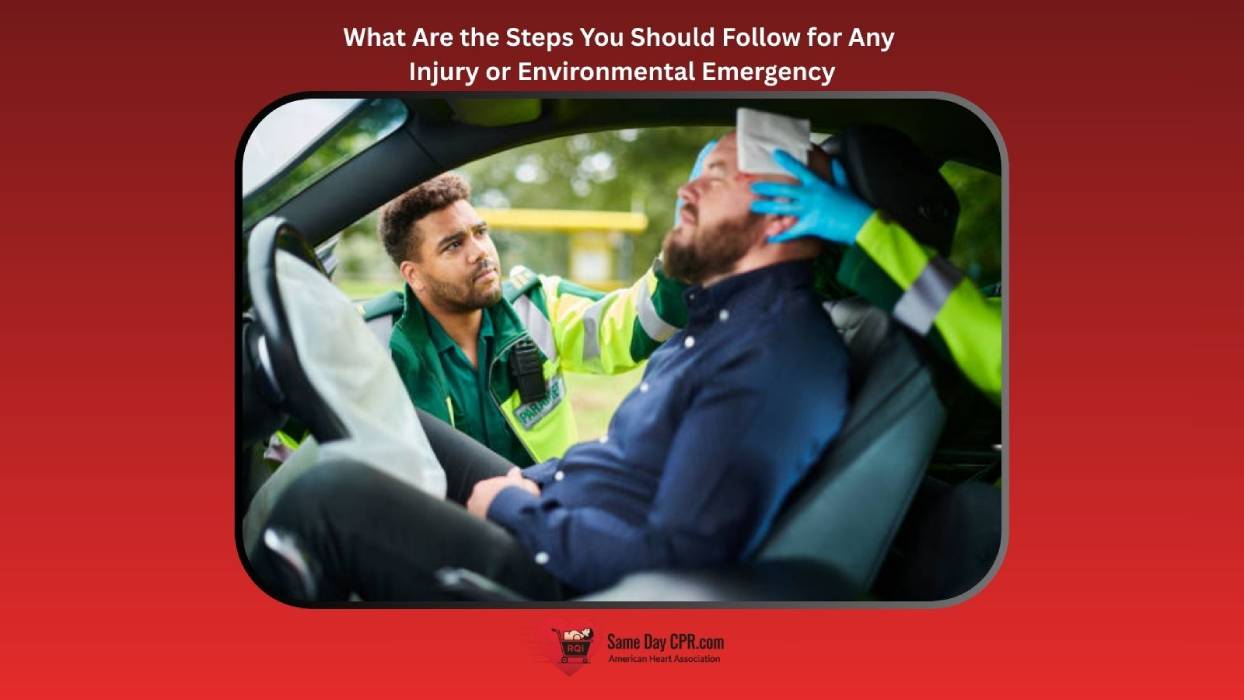
Emergencies can happen suddenly at work, on the road, or at home. Whether it’s a serious injury or an immediate
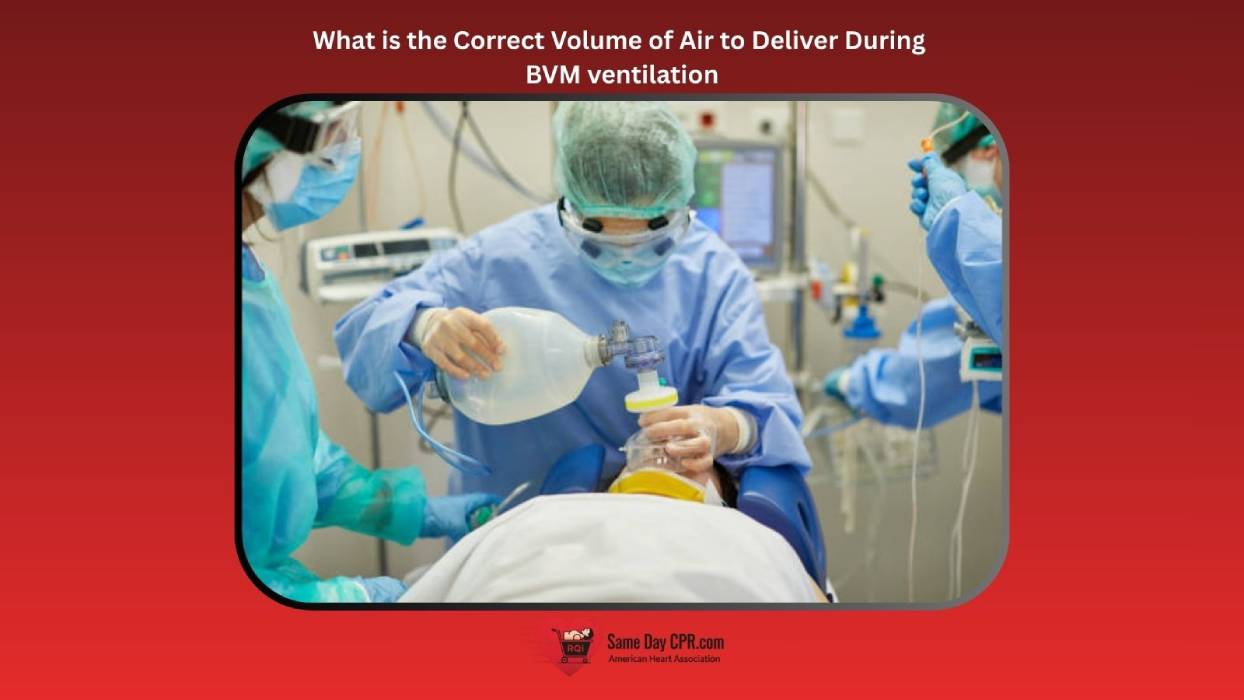
During CPR (cardiopulmonary resuscitation), providing effective breaths can make all the difference in saving a life, which is why understanding
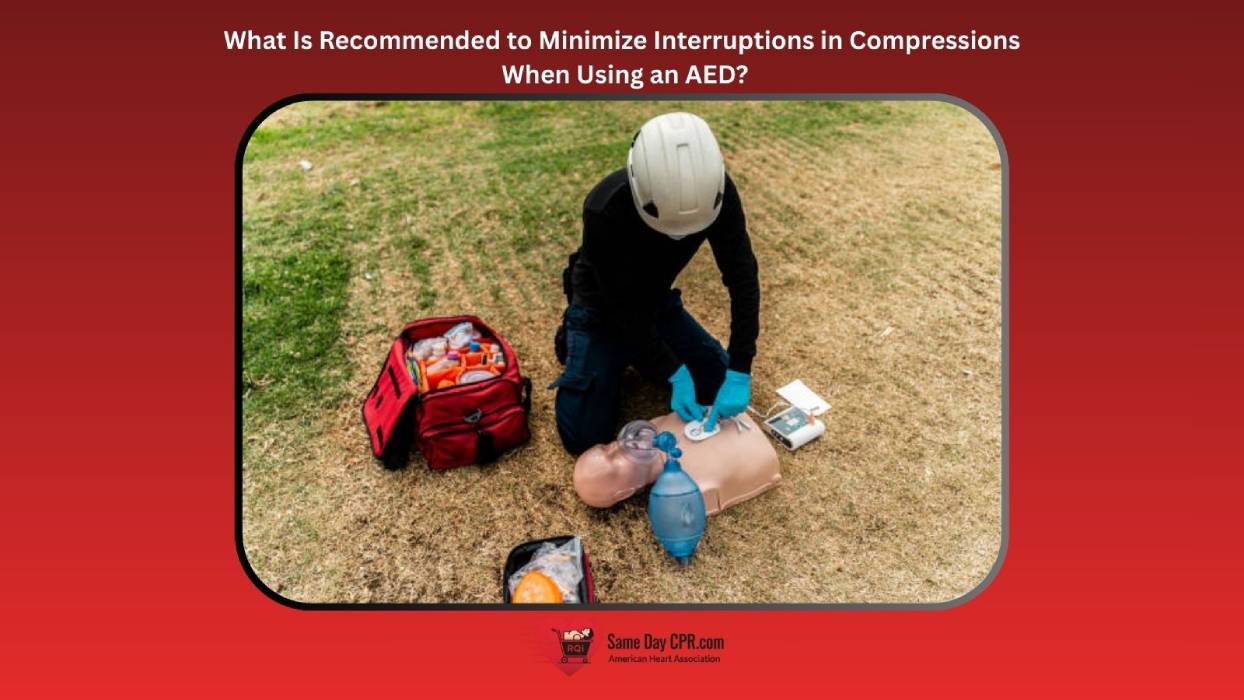
When using an AED, the goal is to keep chest compressions going with as few interruptions as possible. Place the
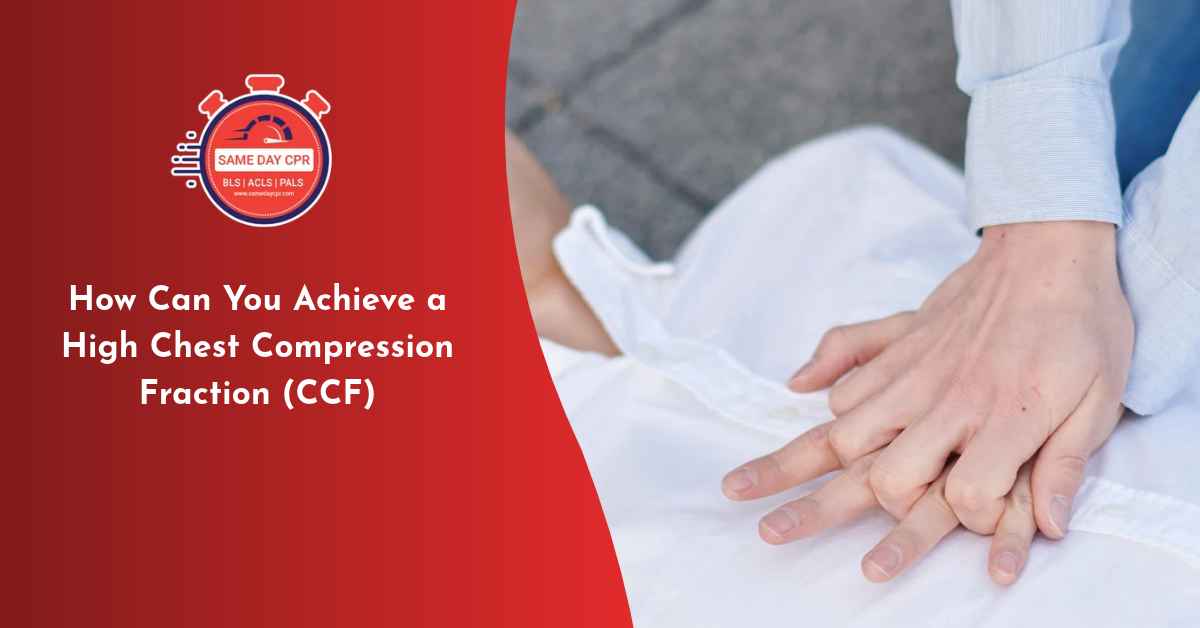
During cardiac arrest, maintaining continuous, high-quality chest compressions is essential to effective resuscitation. To achieve a high chest compression fraction
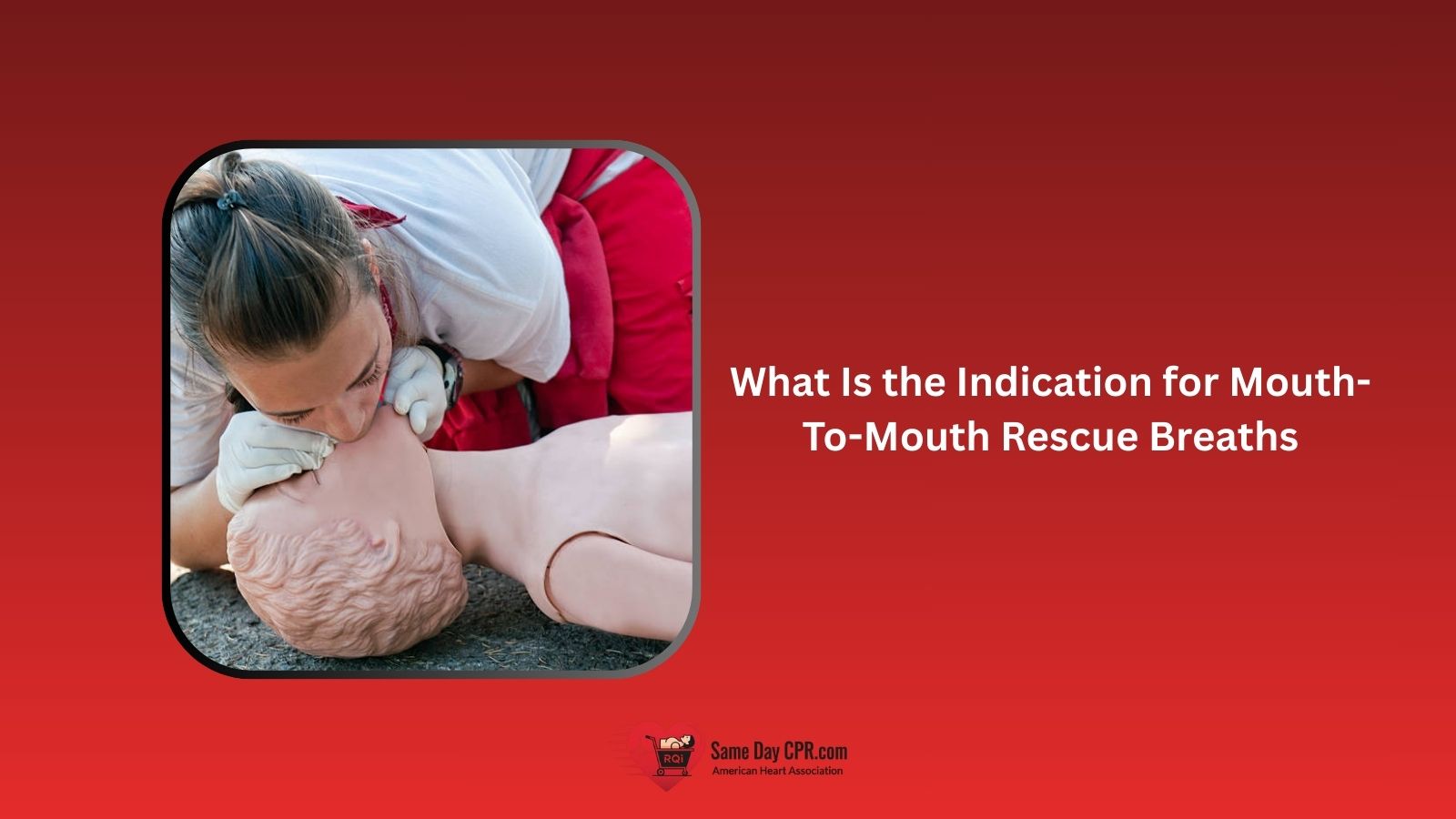
Mouth-to-mouth rescue breathing, also known as rescue breathing, is integral to CPR (cardiopulmonary resuscitation) and is used when a person