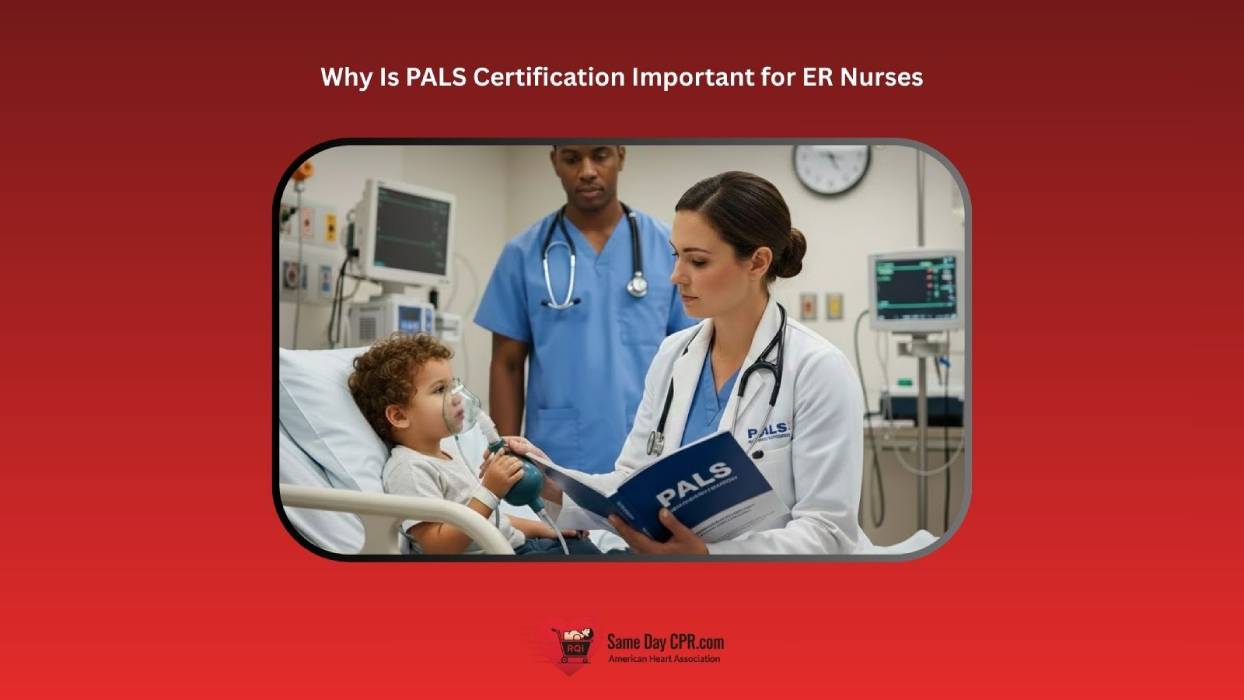
Pediatric emergencies in the ER can be some of the most intense and unpredictable situations a nurse encounters. Kids can go from stable to critical in moments, and the early warning signs are often easy to miss. Even a few minutes’ delay can make a big difference. That’s why PALS (Pediatric Advanced Life Support) certification is so important for nurses working with children, it gives them the skills, knowledge, and confidence to respond quickly and save lives.
Also, understand: The Pediatric Chain of Survival
Unique Challenges in Pediatric Emergencies
Children are not just “small adults.” Their physiology, behavior, and emotional needs differ, creating unique challenges in the ER:
- Rapid Physiological Changes: Children’s heart rates, breathing, and blood pressure can change suddenly, masking serious illness until collapse occurs.
- Communication Barriers: Young patients may be non-verbal or unable to explain symptoms. Nurses must rely on observation and gentle questioning.
- Technical Difficulties: Procedures like IV placement, medication dosing, and airway management require precision and specialized skill.
- Family Dynamics: Parents are often anxious, and nurses must provide reassurance while delivering critical care.
- High-Pressure Environment: Limited pediatric-specific resources, crowded ERs, and urgent timelines increase stress and risk of errors.
Without specialized training, these challenges can compromise patient safety and outcomes.
How PALS Certification Prepares ER Nurses
PALS certification provides structured training to manage life-threatening pediatric emergencies with confidence. Key areas include:
- Early Recognition and Assessment: Systematic evaluation helps identify respiratory distress, shock, or cardiac issues before they escalate.
- High-quality CPR and Airway Management: PALS teaches age-appropriate techniques for effective resuscitation.
- Cardiac Rhythm Recognition and Interventions: Nurses learn to manage bradycardia, tachycardia, and cardiac arrest safely.
- Medication Administration: Proper dosing and routes are emphasized to prevent errors in high-stress situations.
- Team Communication and Leadership: Clear roles and coordinated responses improve efficiency during resuscitation.
- Simulated Emergencies: Hands-on practice ensures nurses can act quickly and confidently in real-life scenarios.
By covering these skills, PALS bridges the gap between pediatric challenges and safe, effective care.
Impact on Pediatric Patient Outcomes
PALS certification is directly linked to improved outcomes for children in the ER:
- Faster Intervention: Nurses trained in PALS recognize deterioration earlier, reducing complications and mortality.
- Fewer Errors: Step-by-step algorithms and standardized protocols minimize mistakes during high-pressure emergencies.
- Consistent, Coordinated Care: Certified teams follow the same evidence-based procedures, improving teamwork and patient safety.
In short, PALS training ensures ER nurses can respond rapidly, make confident decisions, and deliver life-saving care.
Professional and Institutional Benefits
Beyond patient care, PALS certification provides professional and organizational advantages:
- Hospital Compliance: Many emergency departments require PALS certification to meet safety standards and maintain accreditation.
- Career Advancement: Certification demonstrates dedication to pediatric care, strengthens clinical skills, and enhances professional credibility.
- Preparedness Under Pressure: Certified nurses can handle high-stakes pediatric emergencies with calm and confidence, supporting both the team and the families they serve.
PALS Certification: Essential for ER Nurses and Pediatric Safety
Emergency room (ER) nurses face unique challenges when caring for children, from rapid physiological changes to high-stress environments. PALS certification equips nurses with the skills, knowledge, and confidence needed to manage these emergencies effectively, improving patient outcomes, reducing errors, and meeting professional standards. In pediatric emergencies, being prepared isn’t optional, it’s essential.
Don’t delay your readiness, sign up for a CPR class today. Same Day CPR offers fast, convenient lifesaving training developed to work around even the most demanding schedules. Complete a short online course followed by a in-person skills session at one of our 100+ locations to earn your AHA standard certification in BLS, ACLS, PALS, CPR, or First Aid. Walk away with your official certification card the very same day.