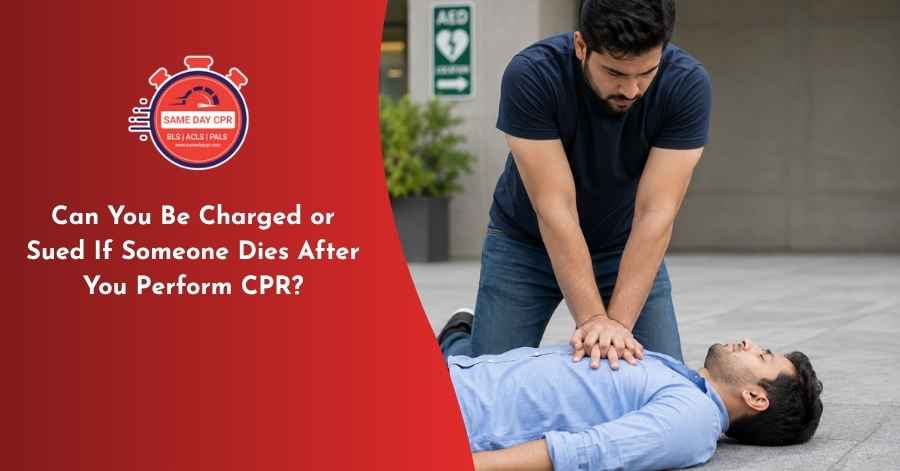
When someone suddenly collapses and stops breathing normally, immediate action can give them a chance to survive. However, some bystanders hesitate to perform CPR (cardiopulmonary resuscitation) because they are afraid they could be sued or face criminal charges if the person dies.
So, can you be charged or sued if someone dies after you perform CPR?
In the United States, Good Samaritan laws generally provide legal protection to people who voluntarily provide emergency assistance in good faith. However, the specific protections, requirements, and exceptions vary by state. The fact that someone dies after receiving CPR does not, by itself, establish that the person who performed CPR was legally responsible for the death.
This article explains how Good Samaritan protections generally work, when legal liability may arise, and what bystanders should do when someone experiences cardiac arrest.
Important: This article provides general information and is not legal advice. Good Samaritan laws differ by state. For advice about a specific situation, consult a qualified attorney or review the applicable law in your state.
Why Are People Afraid to Perform CPR?
It is understandable to feel nervous about helping during a life-threatening emergency. A bystander may worry about causing an injury, making the situation worse, or facing legal consequences if the person does not survive.
These concerns can sometimes prevent people from taking action when CPR is needed. The American Heart Association (AHA) emphasizes the importance of immediate CPR and AED use during cardiac arrest, and its guidelines apply to both trained and untrained lay rescuers.
Understanding the general purpose of Good Samaritan protections may help reduce uncertainty about providing emergency assistance.
What Is a Good Samaritan Law?
Good Samaritan laws are intended to provide legal protection to people who voluntarily assist someone during an emergency. The exact requirements differ among states.
Depending on the applicable law, protection may generally apply when a person:
- Provides emergency assistance voluntarily.
- Acts in good faith.
- Provides care reasonably under the circumstances.
- Does not expect payment or compensation.
- Does not engage in gross negligence or intentional misconduct, where those limitations apply.
The AHA notes that Good Samaritan protections can apply to people who voluntarily provide emergency assistance, including Hands-Only CPR.
Because these laws differ by jurisdiction, you should not assume that every state provides identical protection.
What Does “Good Faith” Mean When Performing CPR?
Acting in good faith generally means that you are genuinely attempting to help someone who appears to be experiencing a medical emergency.
For example, if you see an unresponsive person who is not breathing normally and begin CPR because you believe immediate assistance is necessary, your purpose is to provide emergency care rather than cause harm.
The precise legal meaning of good faith depends on the applicable law. It is therefore better understood as one factor that may affect whether Good Samaritan protection applies, rather than as an automatic guarantee of immunity.
What Is Negligence During CPR?
Negligence generally involves failing to exercise the level of care reasonably expected under the circumstances. Gross negligence is a more serious form of misconduct involving substantially greater carelessness.
CPR can unintentionally cause injuries, including bruising or broken ribs. However, causing an injury while attempting to save someone’s life does not automatically mean that the rescuer acted negligently.
The legal standard depends on the applicable state law and the specific circumstances of the emergency.
Can the Family Sue You for Performing CPR?
A civil lawsuit is different from a criminal charge. Whether someone could be held civilly liable depends on state law, the circumstances of the emergency, and whether the requirements for Good Samaritan protection are satisfied.
Good Samaritan laws generally seek to protect people who provide emergency assistance from certain forms of civil liability. However, the scope of those protections and any applicable exceptions vary across the United States.
The AHA specifically explains that Good Samaritan protections can cover people who voluntarily provide emergency aid, including Hands-Only CPR.
That does not mean every action taken during every emergency is automatically protected. State-specific requirements and exceptions may apply.
What If the Person Does Not Survive?
Unfortunately, CPR does not guarantee that a person will survive cardiac arrest. Even when a bystander begins CPR quickly and performs it appropriately, the person may still die because of the severity of the underlying medical condition.
If the person does not survive, that outcome alone does not mean that you caused the death or acted improperly. CPR is an emergency lifesaving measure intended to maintain blood flow until advanced medical care can be provided.
If you voluntarily performed CPR in an effort to help, whether you have any legal liability depends on the circumstances and the Good Samaritan protections applicable in the relevant state.
It is also normal to experience sadness, guilt, anxiety, or uncertainty after an unsuccessful resuscitation attempt. Starting CPR gave the person an opportunity to survive when taking no action would not have provided that opportunity.
If you are concerned about a specific legal situation, consult a qualified attorney familiar with the law in the state where the emergency occurred.
Can CPR Cause Broken Ribs?
Yes. Chest compressions can cause injuries, including bruising and broken ribs.
However, the possibility of injury should not automatically discourage a bystander from starting CPR when someone appears to be experiencing cardiac arrest. The AHA recommends chest compressions as a critical component of CPR for adults in cardiac arrest.
The legal question is not simply whether an injury occurred. Whether a rescuer is protected depends on the applicable law and the circumstances in which the assistance was provided.
Do You Need Consent Before Performing CPR?
If a person is conscious and able to communicate, you should generally seek permission before assisting. But what are you legally required to do before touching someone during an emergency? In general, you should obtain consent when the person is conscious and able to give it.
If a person is unresponsive and experiencing an apparent life-threatening emergency, emergency care may generally proceed under principles of implied consent. The precise legal rules, however, can vary depending on the jurisdiction and circumstances.
When someone appears to be in cardiac arrest, the priority is to activate emergency medical services and begin appropriate CPR rather than delay lifesaving care because of fear of legal consequences.
What Should You Do If Someone Needs CPR?
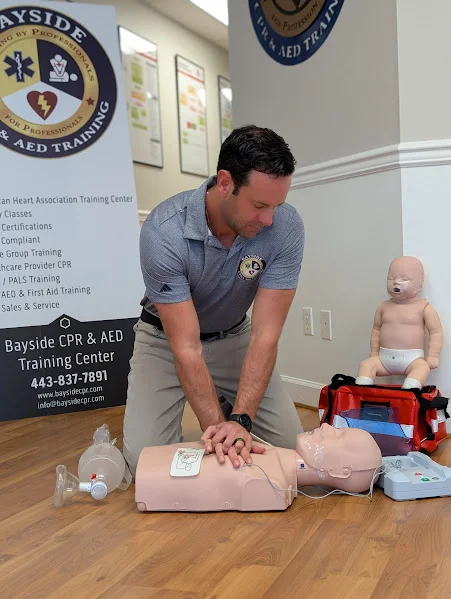
According to the AHA, lay rescuers should provide chest compressions for adults with presumed cardiac arrest. A lone responder should activate the emergency response system and immediately begin CPR.
For a teen or adult who suddenly collapses outside a hospital and is not breathing normally, the AHA recommends Hands-Only CPR for members of the general public:
- Call 911 or send someone to call.
- Begin chest compressions by pushing hard and fast in the center of the chest.
- Use an AED if one is available and follow the device’s voice prompts.
- Continue CPR until emergency responders take over or the person shows signs of life.
The AHA describes Hands-Only CPR as two simple steps: call 911 and push hard and fast in the center of the chest.
For trained rescuers, the appropriate CPR approach may also include rescue breaths, depending on the circumstances and the rescuer’s training.
Does CPR Training Provide Legal Protection?
CPR training can help you recognize cardiac arrest, perform CPR correctly, and use an AED appropriately. The AHA’s 2025 CPR guidelines provide recommendations for both trained and untrained lay rescuers.
However, CPR certification does not automatically guarantee legal immunity. Good Samaritan protection depends on the applicable law and the circumstances of the emergency.
Training can nevertheless provide the knowledge and confidence needed to respond appropriately when someone requires immediate assistance.
What Should You Do After Performing CPR?
Performing CPR can be stressful, particularly when the person does not survive.
You may experience sadness, guilt, anxiety, or uncertainty about whether you did enough. These reactions can occur after a traumatic emergency.
Remember that recognizing cardiac arrest and attempting CPR is an important step toward giving the person a chance to survive. The AHA’s guidelines emphasize rapid recognition, activation of the emergency response system, CPR, and AED use as important components of resuscitation.
Key Takeaways
- You are not automatically criminally or civilly liable because someone dies after you perform CPR.
- Good Samaritan laws generally provide protection to people who voluntarily provide emergency assistance, but the rules vary by state.
- Good faith, reasonable care, and the absence of conduct such as gross negligence or intentional misconduct may be relevant to legal protection, depending on the applicable law.
- CPR can cause injuries such as broken ribs, but an injury does not automatically establish negligence.
- CPR certification does not guarantee legal immunity.
- The AHA recommends immediate CPR for adults with presumed cardiac arrest and supports Hands-Only CPR for members of the public who witness a sudden adult collapse.
- If someone suddenly collapses and is not breathing normally, call 911, begin CPR, and use an AED when available.
CPR Help Is Protected: Know Your Good Samaritan Rights
If someone dies after you perform CPR, the death itself does not automatically mean that you will be charged or successfully sued. Good Samaritan laws in the United States generally aim to protect people who voluntarily provide emergency assistance, although the scope of that protection varies by state.
Fear of legal consequences should not prevent a bystander from responding to an apparent cardiac arrest. Follow appropriate emergency-response steps: call 911, begin CPR when indicated, and use an AED if one is available. Prompt action can be an important part of giving someone a chance to survive.
If you need to know whether a specific action is legally protected, review the Good Samaritan law in the state where the emergency occurred or speak with a qualified attorney.
Need CPR certification today? Same Day CPR provides BLS, ACLS, and PALS training in a convenient blended learning format. Get certified and be prepared to respond when it matters most.