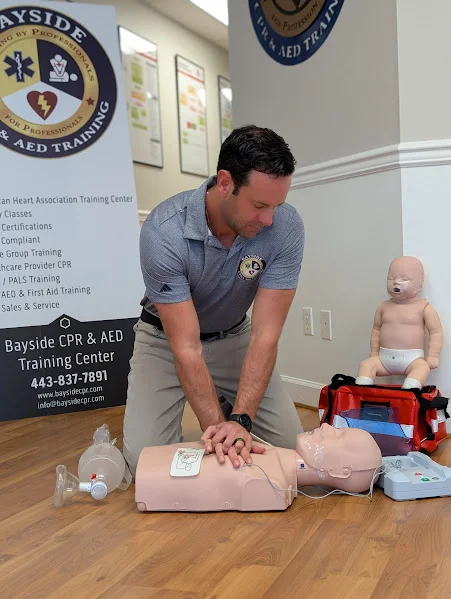



During cardiac arrest, maintaining continuous, high-quality chest compressions is essential to effective resuscitation. To achieve a high chest compression fraction (CCF), minimize interruptions in chest compressions by anticipating pauses, coordinating compressor changes, and using real-time CPR feedback when available. Keeping compressions going for as much of the resuscitation as possible helps maximize the time the patient receives circulatory support, helping maintain blood flow to vital organs.
For healthcare professionals, achieving a consistently high CCF requires more than simply compressing quickly. It depends on effective team coordination, streamlined rhythm checks and interventions, and a well-practiced approach to minimizing pauses. High-quality CPR is an important part of cardiac arrest care, and optimizing CCF may contribute to better patient outcomes alongside other factors that influence survival rates.
In this blog, you’ll learn practical strategies for improving CCF, the evidence supporting a high CCF during cardiac arrest, and emerging CPR (Cardiopulmonary Resuscitation) technologies designed to reduce interruptions and support high-quality resuscitation. These tools are becoming an increasingly important part of modern cardiac arrest care, and understanding how they can support your team can help you use them effectively during resuscitation.
What is Chest Compression Fraction (CCF) in CPR?
Chest Compression Fraction (CCF) is the percentage of time during cardiopulmonary resuscitation (CPR) that chest compressions are actively performed. It is an important measure of CPR performance because minimizing interruptions helps maintain blood flow during cardiac arrest. A higher CCF generally indicates that compressions are being delivered for a greater proportion of the resuscitation period, although it should be balanced with other aspects of high-quality CPR.
How Is Chest Compression Fraction Calculated?
- Active Compression Time: The total time during the resuscitation period when chest compressions are being performed.
- Total CPR Time: The total duration of the resuscitation period being evaluated.
- Formula: CCF = (Total Active Compression Time ÷ Total CPR Time) × 100%
What Is a High Chest Compression Fraction?
A high Chest Compression Fraction (CCF) means spending most of the CPR period actively performing chest compressions, with as few unnecessary pauses as possible. A CCF of 80% or higher is often used as a goal for high-quality CPR, meaning compressions are being given for most of the resuscitation time. Keeping CCF high helps maintain blood flow during cardiac arrest, but rescuers should still allow brief pauses when needed for essential actions such as giving breaths, checking the rhythm, or using a defibrillator. Overall, the aim is to provide effective chest compressions while keeping interruptions as short as possible.
Why Is a High Chest Compression Fraction Important?
Chest Compression Fraction (CCF) matters because it shows how much of the CPR period is spent performing chest compressions. A high CCF helps maintain blood flow to the brain and heart, which is important during cardiac arrest. Long or unnecessary pauses can reduce blood flow and may lower the chances of a good outcome. By keeping compressions steady, minimizing interruptions, and working efficiently during CPR, rescuers can help maintain circulation until advanced medical care is available.
How to Achieve a High Chest Compression Fraction
To achieve a high Chest Compression Fraction, focus on maintaining continuous compressions with as few unnecessary pauses as possible. Good teamwork, proper technique, regular practice, and quick communication can help the team maintain steady and effective CPR.
Minimize Interruptions
Keep pauses in chest compressions as short as possible. Plan each step so the team can quickly handle tasks such as rhythm checks, breaths, and defibrillation without stopping compressions for longer than needed.
Use Effective Team Communication
Clear communication helps the team work smoothly and avoid unnecessary delays. Team members should give short, clear instructions and confirm important actions so everyone knows what to do and when to do it.
Use Proper Hand Placement for Chest Compressions
Place your hands correctly on the center of the chest before starting compressions. Good hand placement helps you deliver steady and effective compressions while reducing the need to stop and adjust your position.
Maintain Proper Compression Depth and Rate
Perform chest compressions at the recommended depth and rate to support effective CPR. Allow the chest to fully recoil between compressions so the heart can refill properly. Avoid leaning on the chest between compressions, as incomplete chest recoil can reduce the effectiveness of CPR.
Provide High-Quality Ventilations Without Unnecessary Pauses
Give breaths efficiently while keeping interruptions to chest compressions as brief as possible. The team should prepare for ventilation in advance so compressions can resume quickly after each breath.
Rotate CPR Roles Effectively
Change the person doing compressions when needed to prevent fatigue from affecting performance. Plan the change during a natural pause and complete it quickly so the next person can continue compressions without a long break.
Practice Regularly to Improve CPR Performance
Regular CPR practice helps team members become more confident and efficient. Training can improve timing, coordination, communication, and the ability to respond quickly when interruptions occur.
Use Real-Time CPR Feedback Devices
Feedback devices can help rescuers see how well they are performing chest compressions. Using a chest compression feedback device can provide real-time information about compression rate, depth, and pauses, allowing the team to make quick adjustments during practice or CPR when appropriate.
Continuously Evaluate CPR Performance
Keep checking how well the team is performing throughout the resuscitation effort. Look for unnecessary pauses, changes in compression quality, and communication problems so the team can correct them quickly and maintain a high CCF.
Factors That Reduce Chest Compression Fraction
Several factors can interrupt chest compressions and lower the Chest Compression Fraction during CPR. Understanding these common causes can help the team reduce unnecessary pauses and keep compressions going as consistently as possible.
Ventilation Pauses
Long or unnecessary pauses for ventilation reduce the amount of time spent performing chest compressions. Coordinating breaths efficiently with the team can help limit these breaks and maintain a higher CCF.
Interruptions During Defibrillation
Preparing for or delivering a shock can sometimes cause a long break in chest compressions. Keeping the process organized and minimizing pauses before and after defibrillation can help maintain a higher CCF.
Heart Rhythm Analysis
Checking the heart rhythm is an important part of CPR, but extended pauses during this step can lower CCF. Having the equipment ready and working efficiently can help the team resume compressions as immediately as possible.
Rescuer Fatigue
Fatigue can make compressions less effective and may lead to longer pauses. Switching roles at appropriate times helps the team maintain steady compressions and avoid unnecessary interruptions.
Lack of Training and Practice
Limited CPR practice can cause hesitation, poor coordination, and longer pauses. Regular training helps team members respond more confidently and perform each step more efficiently.
Equipment Delays
Searching for, preparing, or using equipment can interrupt chest compressions and reduce CCF. Keeping essential equipment ready and ensuring team members know how to use it can help prevent unnecessary delays.
Patient Handling and Transport
Moving or repositioning a patient can interrupt chest compressions for an extended period. Careful planning and good team coordination can help reduce these breaks when patient movement is necessary.
Environmental Conditions
Crowded areas, poor lighting, noise, or an unsafe environment can make CPR more difficult and lead to longer interruptions. Preparing the space and adapting quickly to the surroundings can help the team maintain consistent compressions.
Strategies for Maintaining a High CCF During CPR
In summary, maintaining a high Chest Compression Fraction requires good teamwork, clear communication, regular practice, and as few unnecessary pauses as possible. Efficient role rotation, proper CPR technique, feedback devices, and ongoing training can help the team keep chest compressions steady and maintain a high CCF throughout CPR. The goal is to work smoothly as a team while keeping interruptions brief and necessary.
Ready to strengthen your CPR skills? Same Day CPR offers AHA BLS, ACLS, PALS, CPR, and First Aid certification with same-day completion options. Complete the AHA online course, attend a short hands-on skills session at a convenient location, and receive your official certification card after completion. Explore our Locations or Classes to get started.